
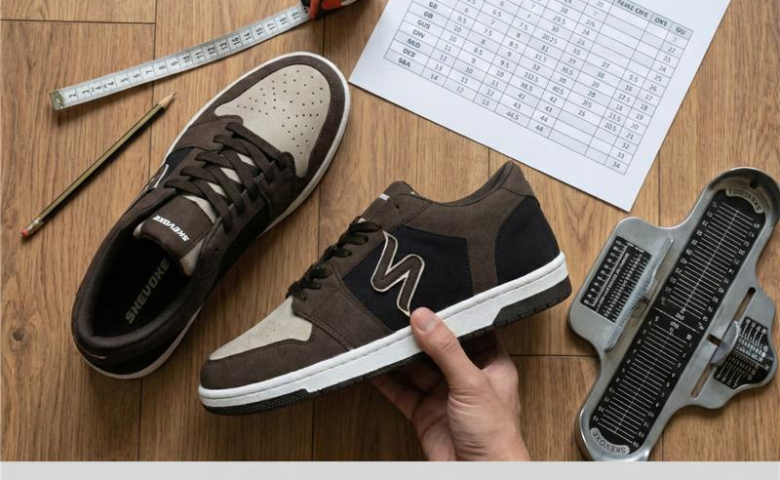
Finding the right sneakers size can feel tricky. Many people wear wrong sizes without knowing it. This guide will help you find your perfect fit using simple methods. You will learn about the indian shoe size chart, measuring techniques, and size differences between brands.
Why Knowing Your Correct Shoe Size Matters
Wearing wrong shoe sizes causes many problems. Your feet may hurt after walking. You might get blisters or pain in your toes. Poor fitting shoes can damage your feet over time. Getting the right size keeps your feet healthy and comfortable.
Many people think they know their size. But shoe sizes can change as you age. Your feet may become wider or longer. Different shoe brands use different measurements. That’s why measuring your feet properly is important.
Easy Steps to Measure Your Feet at Home
You can measure your feet at home easily. You need just a few simple things. Here’s what you need:
- A plain white paper (A4 size works well)
- A pen or pencil
- A ruler or measuring tape
- A wall or flat surface
Step-by-Step Measurement Guide
First, place the paper on a hard floor. Stand on it with your bare foot. Make sure your heel touches the wall behind you. Stand straight and put your full weight on the foot.
Now, mark the longest toe point on the paper. Use the pen to make a clear mark. Do this for both feet because they might differ in size.
Next, measure from the heel line to the toe mark. Use your ruler for this step. Write down the measurement in centimeters. Repeat this process for your other foot.
Always measure both feet separately. Most people have one foot slightly bigger. Use the larger measurement when choosing your size.
Best Time to Measure Your Feet
Measure your feet in the evening time. Your feet swell slightly during the day. Evening measurements give you the most accurate size. This helps prevent buying shoes that feel tight later.
Understanding the Indian Shoe Size Chart The indian shoe size chart uses UK sizing standards. Indian sizes match British shoe sizes in most cases. This makes shopping easier for Indian customers.
Men Shoe Size Chart
| Foot Length (cm) | Indian/UK Size | US Size | Euro Size |
| 24.0 – 24.5 | 6 | 7 | 40 |
| 24.6 – 25.0 | 7 | 8 | 41 |
| 25.1 – 25.5 | 8 | 9 | 42 |
| 25.6 – 26.0 | 9 | 10 | 43 |
| 26.1 – 26.5 | 10 | 11 | 44 |
| 26.6 – 27.0 | 11 | 12 | 45 |
The men shoe size chart shows standard measurements. Measure your foot length first. Then find your size using the table above. Once you know your size, explore our collection of sneakers for men designed for perfect fit.
Women Shoe Size Chart
| Foot Length (cm) | Indian/UK Size | US Size | Euro Size |
| 22.0 – 22.5 | 3 | 5 | 36 |
| 22.6 – 23.0 | 4 | 6 | 37 |
| 23.1 – 23.5 | 5 | 7 | 38 |
| 23.6 – 24.0 | 6 | 8 | 39 |
| 24.1 – 24.5 | 7 | 9 | 40 |
| 24.6 – 25.0 | 8 | 10 | 41 |
The women shoe size chart differs from men’s sizing. Women’s feet are generally narrower and smaller. Use the specific chart for accurate results. Check out our stylish sneakers for women collection for the perfect pair.
Different Width Options for Perfect Fit
Shoe length is not the only factor. Width also matters for comfort. Feet come in different widths like narrow, medium, or wide.
Most shoes come in standard medium width. But some brands offer width options. If your feet feel squeezed from sides, try wider options. Brands like Skevoxe offer multiple width choices for better comfort.
How to Find Your Shoe Size When Shopping Online
Online shopping requires extra attention to sizing. Different brands may size their shoes differently. Always check the brand’s size guide before buying.
Read customer reviews about sizing. Many buyers mention if shoes run small or large. This helps you make better decisions. Some websites offer virtual try-on features too.
Take your foot measurements with you when shopping. Compare them with the seller’s size chart. This reduces chances of ordering wrong sizes.
Tips for Buying Sneakers That Fit Perfectly
Here are some helpful tips for buying sneakers:
- Leave thumb-width space between your longest toe and shoe front
- Try shoes with the socks you plan to wear
- Walk around to test comfort and fit
- Check if your heel stays in place while walking
- Make sure the shoe bends where your foot bends
- Consider your foot arch type when choosing styles
Sports sneakers may need extra room. Running and exercise make feet swell more. Choose half size bigger for athletic activities.
Common Shoe Sizing Mistakes to Avoid
Many people make these common mistakes. Avoid them for better shoe shopping:
Never buy shoes that feel tight. They rarely stretch enough for comfort. Don’t assume your size stays the same forever. Remeasure your feet every few years.
Don’t buy shoes based only on appearance. Comfort should always come first. Avoid wearing old, worn-out shoes too long. They lose support and can harm your feet.
Converting Between Different Size Systems
Global shoe shopping means dealing with different systems. US, UK, and European sizes all differ. Keep a conversion chart handy when shopping internationally.
The indian shoe size chart typically follows UK standards. Converting to US sizes usually means adding one number. European sizes use completely different numbering. Always double-check conversions before ordering.
Children’s Shoe Sizing Guide
Children’s feet grow quickly and need special attention. Measure kids’ feet every three months. Their shoe size changes fast during growth years.
Leave extra growing room in children’s shoes. About half inch space works well. But avoid buying shoes too large. Oversized shoes can cause tripping and accidents.
Breaking In New Sneakers Properly
New sneakers may feel stiff initially. This is normal and expected. Wear them for short periods first. Gradually increase wearing time each day.
Use thick socks during the break-in period. This helps prevent blisters on your feet. Walk around your house before taking them outside. This helps identify any major fit issues.
If you’re looking for versatile options, white sneakers are perfect for any outfit. They match everything and look clean when properly fitted.
When to Replace Your Sneakers
Sneakers don’t last forever, even with good care. Replace them when you notice these signs:
- Worn out sole with no tread left
- Upper material showing holes or tears
- Reduced cushioning and support
- Uneven wear patterns on bottom
- Persistent foot pain when wearing them
Good quality sneakers last about 500-800 kilometers of walking. Track your usage if you exercise regularly. Replace athletic shoes more frequently than casual ones.
Frequently Asked Questions (FAQs)
Q1: How often should I measure my feet for shoe size?
A: Measure your feet every 1-2 years. Your foot size can change with age, weight, or pregnancy.
Q2: Should I size up or down if between sizes?
A: Always choose the larger size. Your feet need room to move and breathe comfortably.
Q3: Do men and women shoe sizes differ?
A: Yes, they use different charts. Women’s sizes are generally smaller and narrower than men’s.
Q4: Can I use the same size for all shoe brands?
A: No, sizes vary between brands. Always check each brand’s specific size guide.
Q5: What if my feet are different sizes?
A: This is common. Buy shoes for your larger foot. Use insoles for the smaller foot.
Q6: How accurate is the indian shoe size chart?
A: It is very accurate when you measure correctly. Follow UK sizing standards for best results.
Final Thoughts
Finding how to find my shoe size is simple with proper knowledge. Measure your feet correctly using our guide. Use the appropriate chart for men or women. Check brand-specific sizing before buying online.
Visit Skevoxe for perfectly sized sneakers designed for Indian feet. Our detailed size guides ensure you get the perfect fit every time. Start measuring your feet today and step into comfortable footwear tomorrow!Ready to find your perfect sneakers? Measure your feet now and explore our collection at Skevoxe!
Leave a comment